
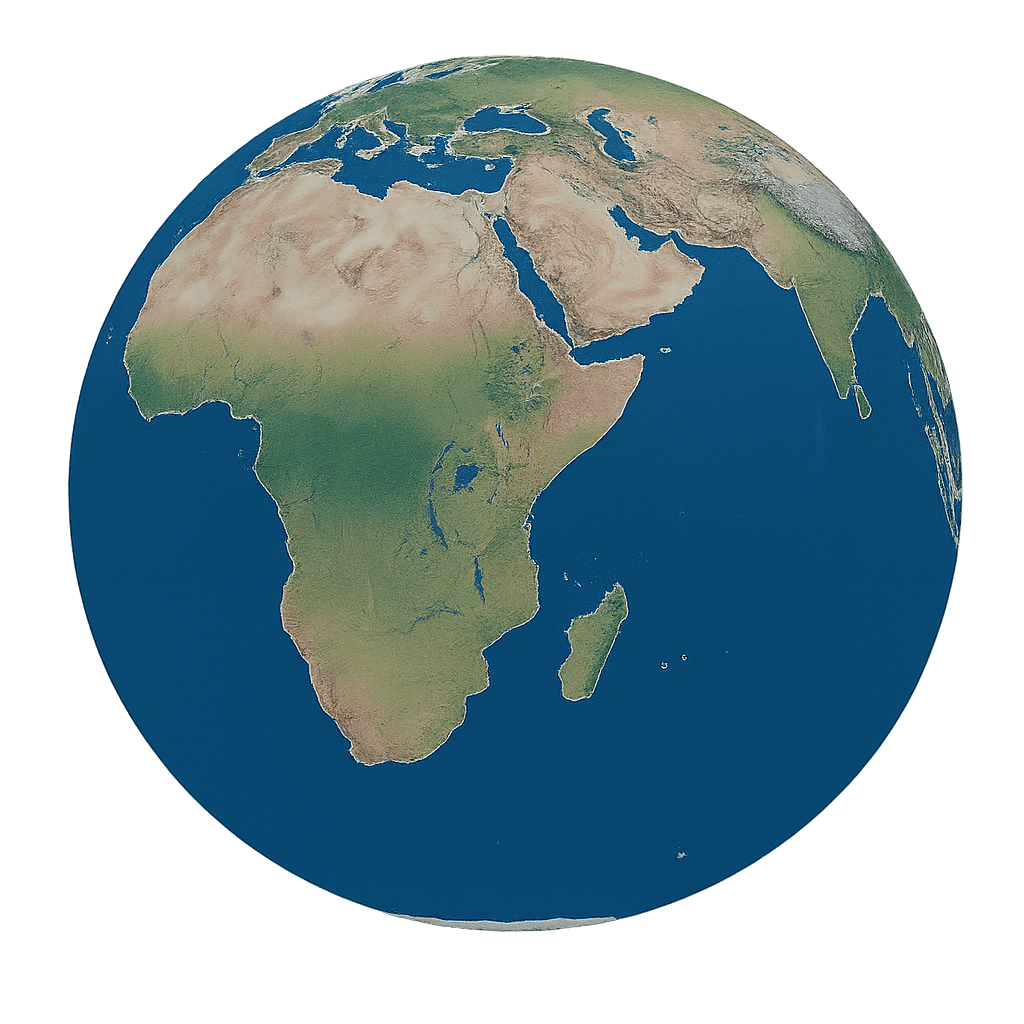
World’s leading forest & agroforestry research centres relaunch as Landscape Alliance to scale up nature-based solutions
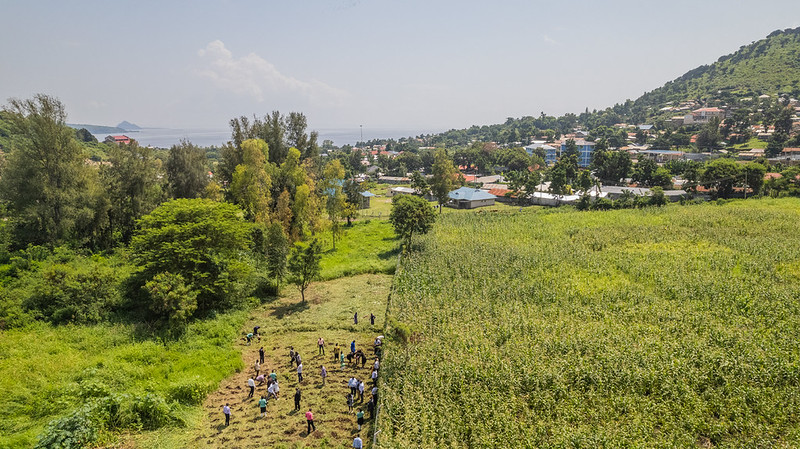
By 2035, Landscape Alliance aims to avoid or reduce emissions equivalent to 500 million tonnes of carbon dioxide while restoring 15 million hectares of degraded land and supporting resilient livelihoods for 20 million people. (CREDIT: Anthony Ochieng/CIFOR-ICRAF)
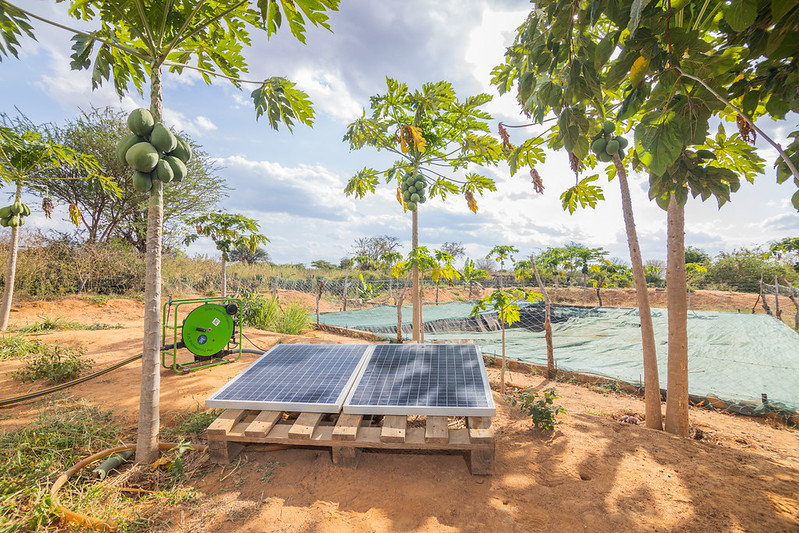
Nature-based solutions for sustainable landscapes are also expected to feature on the agenda at this year’s biodiversity COP in Armenia. (CREDIT: Anthony Ochieng/CIFOR-ICRAF)
Global partnership unveiled on World Environment Day to advance science and innovation for resilient landscapes, people and planet.
The Center for International Forestry Research (CIFOR), headquartered in Indonesia, and World Agroforestry (ICRAF) in Kenya, unveiled the new identity to reflect their ambitious strategy for scaling up innovations that allow both people and nature to thrive by 2035.
Working in more than 90 countries, the two centres bring together decades of expertise in forests, trees, agroforestry and sustainable land use. Together, they host one of the world’s largest agroforestry tree germplasm collections to support research into how trees, forests and agroforestry can support climate and biodiversity goals, as well as jobs, livelihoods and food security.
By 2035, Landscape Alliance aims to advance innovations that avoid or reduce emissions equivalent to 500 million tonnes of carbon dioxide while restoring 15 million hectares of degraded land and supporting resilient livelihoods for 20 million people.
“In the language of science, adopting a landscape approach means looking at the whole picture,” said Dr. Éliane Ubalijoro, CEO of Landscape Alliance.
“Forests, farms, water systems and communities do not exist in isolation. They are deeply interconnected. By working across entire landscapes, we can ensure that decisions made in one place support the resilience of the whole. Our new identity as Landscape Alliance reflects the scale and interdependency of our work as we implement our 10-year strategy to 2035.”
Landscape Alliance’s 2025-2035 strategy focuses on research to support four key areas: climate change mitigation and adaptation; biodiversity conservation and sustainable use; food and nutrition security; and secure and sustainable livelihoods and well-being.
The new alliance builds on the work of CIFOR-ICRAF, including efforts to strengthen drought resilience through agroforestry, rangeland restoration and climate-adaptive land management in the Horn of Africa and Sahel, and bringing more than 114,000 hectares of cocoa farmland in Ghana under sustainable management, including shaded cocoa systems.
Launched on World Environment Day, the announcement comes as countries intensify efforts to address interconnected climate and biodiversity crises. Research shows forests removed approximately 29 per cent of global anthropogenic carbon dioxide (CO₂) emissions from the atmosphere in 2024.
Trees and forests have the potential to sequester even more through ecosystem restoration and improved land management, while agroforestry offers the dual benefits of producing food to support food and nutrition security while also storing carbon.
Nature-based solutions for sustainable landscapes are also expected to feature on the agenda at this year’s biodiversity COP in Armenia. Tropical forests host more than half of all terrestrial species, while agroforestry landscapes sustain up to 60 per cent more biodiversity than monocultures.
“The world has changed and our response must change too. As leaders prepare for a pivotal year of global negotiations across climate, nature and land, Landscape Alliance exists to help bridge those divides — turning science into action and unlocking the power of trees, forests and landscapes for both planetary health and human well-being,” Dr. Ubalijoro added.
“It’s impossible to achieve system-wide transformation alone. By working as an alliance, we can accelerate solutions at the scale this moment demands. The next decade will determine whether we leave a liveable planet to coming generations or not.
Donna Bowater
Marchmont Communications
donna@marchmontcomms.com
Legal Disclaimer:
EIN Presswire provides this news content "as is" without warranty of any kind. We do not accept any responsibility or liability for the accuracy, content, images, videos, licenses, completeness, legality, or reliability of the information contained in this article. If you have any complaints or copyright issues related to this article, kindly contact the author above.
